
A fun and fulfilling student life is something that every aspiring university student looks forward to, but sometimes, it doesn’t work out that way…many may end up feeling isolated, disregarded, overwhelmed, may struggle socialising, or ultimately feel unable to take action that leaves lasting improvements in any of these domains. This can lead many to struggle with completing their academic work, and risk eventually quitting their dream degree because of a low quality of life.

My PhD Project – Future Socially Sustainable Student Housing (FLUSH)
A fun and fulfilling student life is something that every aspiring university student looks forward to, but sometimes, it doesn’t work out that way…many may end up feeling isolated, disregarded, overwhelmed, may struggle socialising, or ultimately feel unable to take action that leaves lasting improvements in any of these domains. This can lead many to struggle with completing their academic work, and risk eventually quitting their dream degree because of a low quality of life.
A lot of these experiences may not have anything to do with the students themselves, but with a campus environment failing to provide opportunities for the kinds of fulfilling experiences that are necessary for a student’s wellbeing. Even when a university wants to be as welcoming as possible to the students, the design of their spaces may tell a different story. Despite efforts to provide as many helpful resources as possible, it is not always clear what exactly about it is preventing students from feeling that they really belong in these spaces.
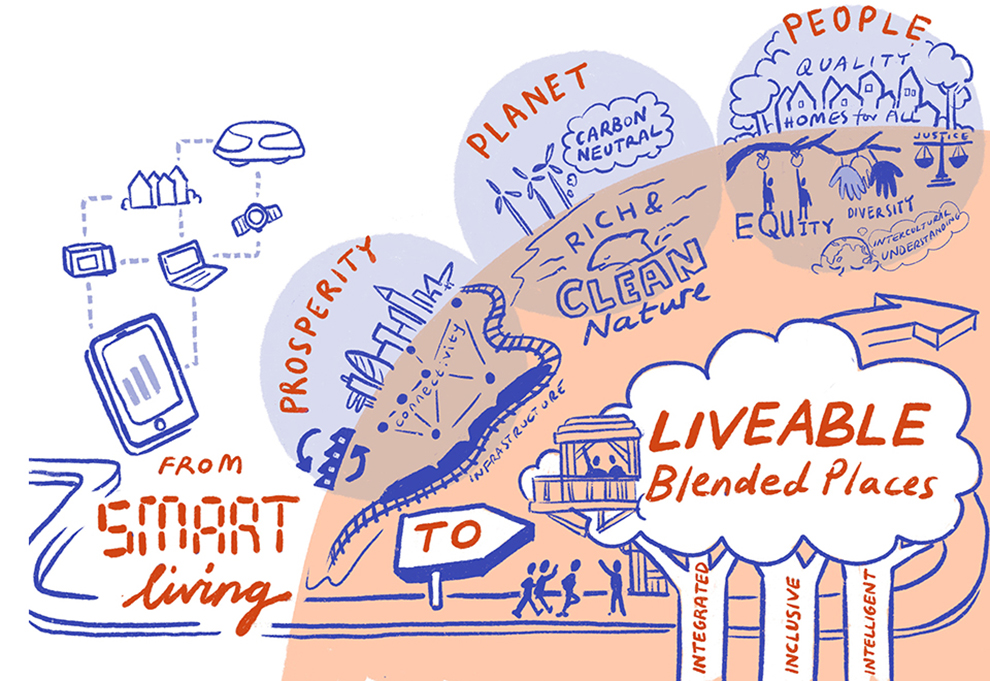
My research is about finding out how we can design spaces that nurture a sense of belonging, to make sure that no student is prevented from engaging in the kind of university life they dream of having because of a poor environment.
A lot of it starts with student housing, the place where you return to at the end of a long day on campus. It is important to be able to feel “at home” in your own house, so that is the space I am focusing on. Student housing is also often many people’s first home away from their families, so making sure it is a good place to live in really matters for that time of transition. It also matters for returning students and postgraduates – what would make you choose to live in student housing again? What would your student house need to be like to really make you feel that you are part of your university community? That is what I am exploring.
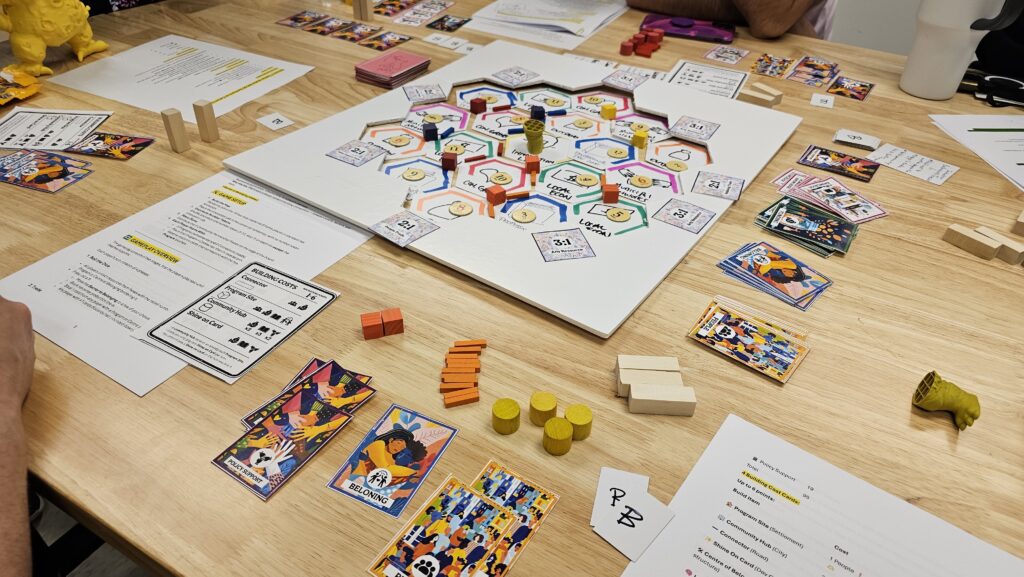
This is something that I am doing together with the students here at Halmstad University, as well as in collaboration with some of the companies who oversee the campus spaces and student housing buildings in Halmstad. Every higher education institution is different – they each have their own story and may need different things for their students to flourish. So, with sensitivity towards this, I am looking at how students currently live and try to connect at university already. Based on this knowledge, I try to find the best ways to work together to envision and create future spaces that students would love to be in.
Hopefully, learning to create a lively environment where students can feel well, have a good time studying, and be able to meet and connect with one another, will make these spaces be something that makes more students delighted to be part of their university story, instead of struggling because of them. This is what I hope my research would bring to the future of student housing. 🙂


Leave a Reply